
Review · OLD DUBAI & SOUK TOURS
Walking tour Dubai Old Town / Old City, Creek, Abra, Souks
That first crossing changes how you see Dubai.
This 3-hour walk links Old Dubai to today’s skyline through stories, traditional neighborhoods, and the Deira souks. You start at Al Seef Heritage Hotel, then go into the Al Bastakia lanes, ride an abra across Dubai Creek, and finish in the Gold Market area.
What I like most is the pacing and the mix of stops, you get both heritage and hands-on views of market life, not just a photo walk. I also really like that your group stays small (maximum 20), so your guide can actually answer questions as you go. One thing to consider, the Coins Museum stop is listed as temporarily closed for renovation, so you may not get the full museum portion even though the route and surrounding sights remain part of the plan.
In This Review
- Key highlights you will actually feel on the ground
- Dubai Old Town by foot, and why this route makes sense
- Meeting at Al Seef, then using the Creek as your compass
- Stop 1: Al Bastakia and Al Fahidi, where Dubai shows its older face
- Stop 2: Boarding the Bur Dubai abra, the short ride that explains everything
- Stop 3: Coin Museum area, plus a stop that shifts into faith and everyday meaning
- Stop 4: Textile Souk, seeing how trade is organized
- Stop 5: Dubai Spice Souk in Deira, where smell becomes part of the story
- Stop 6: Deira Gold Souk, the grand finale and why timing matters
- What the included extras mean for your day (coffee, water, and fees)
- Guides and small-group style, what it changes for you
- Price and logistics, the honest way to judge if $25 fits you
- Should you book this Old Dubai and Creek walking tour?
- FAQ
- How long is the Dubai Old Town / Old City, Creek, Abra, Souks walking tour?
- Where do I meet the tour, and how do I get there?
- Where does the tour end?
- What is included in the price?
- What is not included?
- What about the Coins Museum since it is listed as closed?
Key highlights you will actually feel on the ground
- Small-group size (max 20), easier to hear your guide and move at a comfortable pace
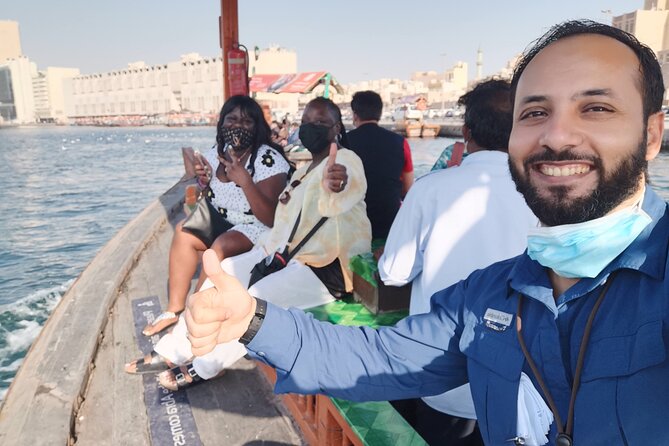
- Abra crossing on Dubai Creek, a short ride that instantly explains why the Creek shaped the city
- Old Dubai neighborhoods first, Al Bastakia and the historic feel of Bur Dubai and Deira
- Souks with purpose, Textile, Spice, and Gold markets in a logical order
- Coffee and tea included, plus bottled water to keep you steady during the walk
Dubai Old Town by foot, and why this route makes sense
Dubai can feel like a city built in a hurry. Towers appear, malls expand, and everything seems designed for the next “must-see.” This tour pushes back against that rhythm by focusing on the parts of Dubai where the city’s logic is visible: waterfront life along Dubai Creek, older neighborhoods, and the trading districts of Deira.
The big win is the way the itinerary stitches areas together. You begin in the creek-adjacent Al Seef area, then walk into Al Fahidi, cross by abra toward the market side, and keep moving through souks that evolved around trade routes. You’re not just collecting landmarks, you’re following the flow of where people used to work, buy, and travel.
It’s also built for real comfort during a half-day morning. The schedule is compact at about 3 hours, and it’s loaded with short stops rather than one long slog. That matters in Dubai, especially in warmer months, because you’ll spend less time stuck waiting.
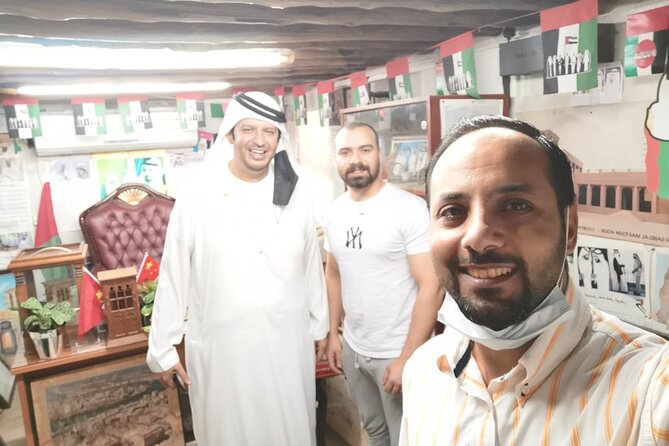
Finally, the guide component is the heart of it. The tour is led by an Arab-licensed professional guide, and the reviews you’ll see for this experience repeatedly call out the same strengths: clear explanations, friendliness, and practical advice for handling souk chaos. The provider listed is Mohamed Elleithy, often referred to as Mo, and past groups also reference guides like Ruby and Rehab, so you’re likely to get a guide who knows how to translate Dubai’s culture into something you can understand fast.
Old Dubai and Souk tours readers book most in Dubai:
- Dubai: Old Town, Souks, Street Food, Guided Tour & Abra Ride
★ 4.9 · 7,170 reviews - Dubai Aladdin Tour: Souks, Creek, Old Dubai and Tastings
★ 5.0 · 3,755 reviews - Dubai Half-Day City Tour with Visit to Dubai Gold Souk
★ 4.0 · 1,741 reviews
Meeting at Al Seef, then using the Creek as your compass
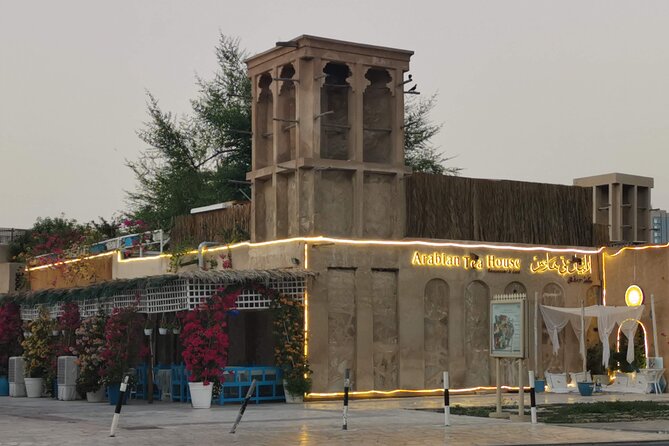
You meet at the Al Seef Heritage Hotel Dubai, Curio Collection by Hilton, at the entrance of the hotel (Bayt 1). It’s a handy start because it puts you on the creek edge quickly, so you can see how water and commerce shaped the city’s layout.
Getting there is straightforward. You can come by taxi, and the nearest metro station is Sharaf DG metro station on the green line. Even if you use rideshare or taxi, I like that the tour is still linked to public transit, because it makes the day plan easier to manage.
The meeting point detail matters because it also sets expectations for the vibe: you’re starting near heritage-themed waterfront surroundings. From the get-go, you’re not walking into a random neighborhood, you’re walking into the “old Dubai” idea that the tour is built around.
And because the tour includes coffee and/or tea plus bottled water, the first hour feels less rushed. You’ll be able to concentrate on listening rather than immediately scanning for a drink.
Stop 1: Al Bastakia and Al Fahidi, where Dubai shows its older face
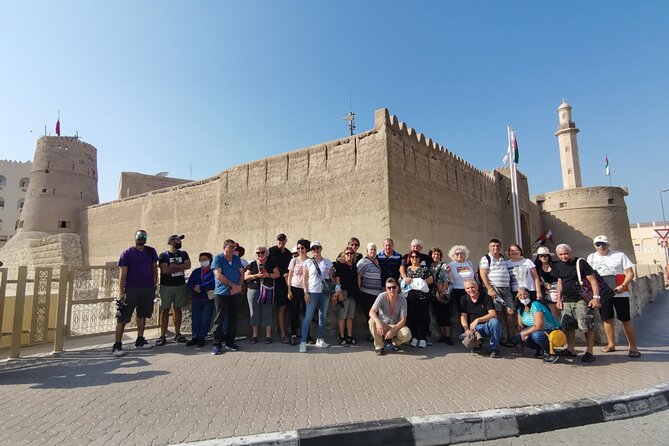
From Al Seef, you head toward Al Fahidi Historical Neighbourhood, also known as Al Bastakia. This is the portion that helps you understand how Dubai looked from the mid-1800s through the 1970s. The tour frames it as a chance to see the traditional lifestyle that once dominated here, before Dubai became the global skyline magnet it is today.
What makes Al Bastakia special on this kind of tour is the way it acts like a timeline in walking form. Instead of jumping from “old building” to “old building,” you’re guided through the area with stops that connect history, culture, traditions, and daily life. You’re essentially building a mental model of the neighborhood: why it’s where it is, how people lived there, and what changed as the city modernized.
This stop lasts about 30 minutes, and that’s a smart length. Enough time to absorb the feel and ask questions, not so long that you lose your energy before the fun parts like the abra and markets.
Practical note: because this is a heritage area, you’ll want to dress respectfully and be mindful of indoor or shaded spaces if the guide stops there. The tour also mentions a link to Islamic context later, so keep an eye on how you behave in front of houses of worship.
Stop 2: Boarding the Bur Dubai abra, the short ride that explains everything
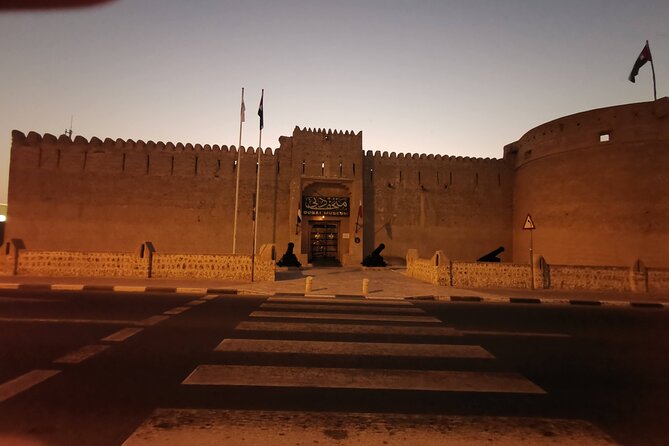
Next comes the Bur Dubai Abra Station. Here you board a small boat called an abra to cross Dubai Creek toward the old markets, specifically the Spice and Gold area side.
This is one of those “small” items that turns out to be huge for understanding the city. Dubai Creek wasn’t just scenery, it was an infrastructure line. Traders moved goods by water, and people moved between neighborhoods by water. When you ride the abra, you feel the logic in your body, not just in a lecture.
The abra portion is about 15 minutes. That’s long enough for the experience and short enough to keep the tour moving. It also sets you up emotionally for the souks, because after you cross, the Deira market world makes more sense: the souks are not random shopping lanes, they are part of the same old trade engine.
You won’t need to pay extra for the abra ride as it’s included in the tour fees. And since it’s a short crossing, it’s also a good time for your guide to point out what you should notice on arrival.
A few more Dubai outings to compare
- Middle Eastern Food & Culture Walk in Old Dubai
★ 5.0 · 206 reviews - Historic Old Dubai & Souk Small Group Walking Tour
★ 5.0 · 156 reviews - Dubai Souks, Food & Culture Walking Tour
★ 5.0 · 132 reviews - Dubai: Private Old Town, Heritage & Souks Walking Tour
★ 4.9 · 102 reviews
Stop 3: Coin Museum area, plus a stop that shifts into faith and everyday meaning
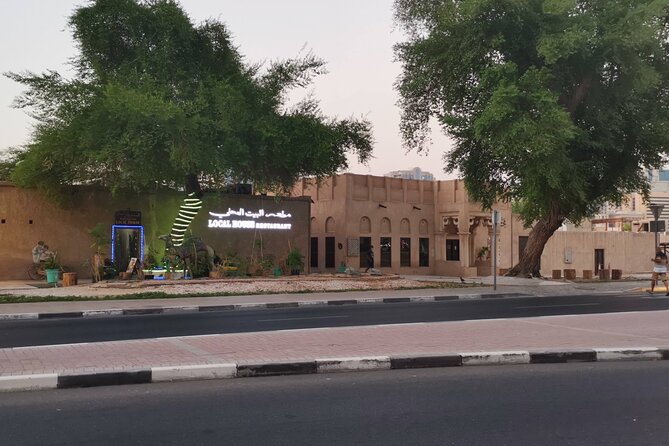
Right after the traditional house segment, the tour route passes by the wall of Old Dubai on the way to the Coins Museum.
Important practical thing: the Coins Museum is temporary closed for renovation. That means you should treat this stop as a route and commentary moment rather than a guaranteed museum interior visit. You may still get the surrounding context described in the itinerary, but plan your expectations accordingly.
The itinerary notes additional sights around this area, including a top in front of a mosque and more explanation about Islam. Even if the museum part is limited, these small context stops often end up being what makes the tour memorable. They help you understand that “old Dubai” includes beliefs and everyday practices, not just architecture and markets.
If you’re curious about cultural meaning, this is the portion where your guide’s storytelling style really matters. The reviews also point to guides who provide calm guidance through the souks and answer questions, so if you have any Islam or culture questions, this is a good time to ask.
Stop 4: Textile Souk, seeing how trade is organized
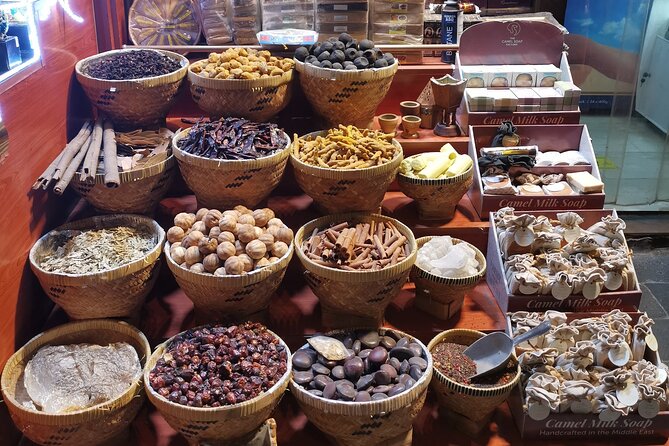
After the creek crossing and the Old Dubai context, you walk into the Textile Souk. This stop focuses on the market aisles for textiles, and it acts like a transition between the older neighborhood feel and the stronger sensory intensity of spice and gold.
A textile market is great for first-time souk shoppers because it’s less “one product focus” than gold and often less overwhelming than spice. You can watch how stalls are laid out, how items are displayed, and how people browse. It’s also the right place to learn how to interpret what you see, because a textile souk can look like visual noise until someone teaches you what to notice.
This stop is about 20 minutes, which again is the smart pacing choice. It gives you time to see enough to understand, but it doesn’t steal all your attention before you hit the big-ticket shopping zones.
And yes, you can buy things here if you want. Just remember the tour is built for guiding and discovery, not a forced shopping spree.
Stop 5: Dubai Spice Souk in Deira, where smell becomes part of the story
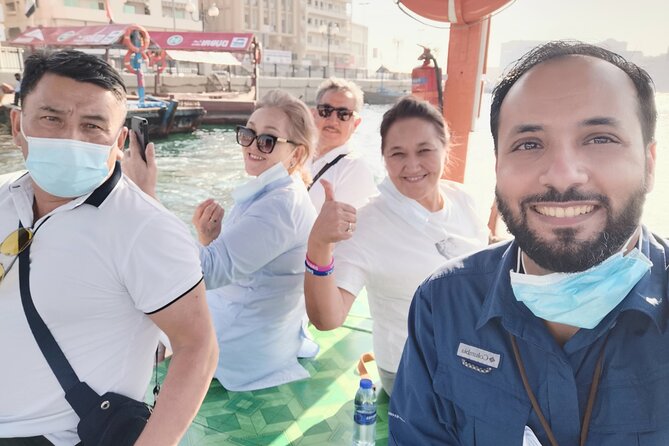
Then you move into the Dubai Spice Souk, located in Deira. The itinerary describes it as one of the oldest parts of Dubai, known for narrow alleyways and shops filled with spices from around the world.
This is one of the most memorable stops in the tour because it turns browsing into a full-sense experience. You’ll see the colors, but you’ll also notice the aromas changing as you walk from shop to shop. For many first-time visitors, spice is their entry point into Deira, because it’s visual, practical, and easy to understand.
The guide role matters here because the souk can feel like controlled chaos. The reviews associated with this tour highlight guides who provide calm advice and help you navigate the busy lanes without stress. If you hate feeling pushed or confused, this is the part where you’ll appreciate a guide who knows how to keep things smooth.
This stop is about 30 minutes, a good chunk for browsing, asking questions about spice types, and learning how merchants describe products. It’s also a good moment to reset your energy, especially if you bought or smelled more than you expected.
Stop 6: Deira Gold Souk, the grand finale and why timing matters
Finally, the tour heads into the Dubai Gold Souk in Deira. This is the classic Dubai market experience, with tiny stores packed into narrow streets, featuring Arabic and Indian-style gold jewelry and designs that look almost impossible at first glance.
This stop lasts about 30 minutes, and that time window matters. Gold shopping can turn into a long, slow wander because designs are intricate. But the tour keeps it compact so you still finish with a clear end point and don’t feel like you got trapped in one shop.
Also, it’s easier to shop with a guide than without, not because you must buy, but because you learn how to talk shop. One review specifically mentions a guide helping with bargaining to get a good price, which is useful if you plan to haggle. Even if you don’t bargain, you’ll benefit from understanding how transactions typically work.
The tour ends at the Gold Market of Dubai area, with a taxi pickup point and the nearby Al Ras Metro Station on the green line. That ending is convenient because it gives you options: keep exploring on foot, take a quick metro ride, or grab a taxi.
What the included extras mean for your day (coffee, water, and fees)
At $25 per person for roughly 3 hours, the big value isn’t just the walk. It’s what’s bundled.
Included:
- Coffee and/or tea
- Bottled water
- All fees and taxes
- Abra and museum fees
Not included:
- Lunch
When you think about value in Dubai, the cost of small transport and entry fees adds up quickly. Here, the abra ride and museum-related fees are included, and you’re also paying for a professional guide’s time. If you’ve ever felt like other “cheap tours” leave you mostly on your own, this one is different because the guide is actively part of the experience from the first stop to the last.
The coffee/tea and water are small, but they change your comfort level. You can stay focused on the walking and the stories rather than constantly breaking rhythm to hunt for a drink.
Guides and small-group style, what it changes for you
This tour caps at 20 travelers, and the reviews repeatedly praise the guide personalities, especially Mo, Ruby, and Rehab. The common threads are friendliness, clear answers to questions, and a practical ability to keep you moving through busy places without feeling lost.
That small-group size is more than a number. It affects:
- how easy it is to hear explanations
- how often your guide can pause for questions
- how flexible the tour can feel if you have a concern about routes or what you want to see next
If you like a tour where you can ask, and you don’t feel like you’re being rushed to the next photo spot, this is the kind of format that works.
Price and logistics, the honest way to judge if $25 fits you
$25 for a 3-hour guided walk that includes water, coffee/tea, and an abra crossing is a fair deal, especially in a city where you can easily spend more just getting from point to point. The main trade-off is that lunch is not included, so you’ll need a plan for after the tour.
You also need to be okay with a market-heavy itinerary. If you dislike shopping pressure or crowded lanes, you might still enjoy the walking and culture, but I’d keep your mindset open. A guide helps a lot here, because they can guide you through the souks more calmly and explain what you’re seeing.
One more practical note: the Coins Museum is temporarily closed, so you should treat that part as possible reduced value if you were hoping for a full museum visit. The surrounding context stops are still part of the plan, but it’s smart to book with that in mind.
Should you book this Old Dubai and Creek walking tour?
If you want to understand Dubai by walking through the older neighborhoods and then finishing in Deira’s markets, I think you should book it. It’s short enough to fit into a busy trip, strong on guided context, and it includes the abra ride that makes the Creek’s role click fast.
Book it if:
- you like guided storytelling with time to ask questions
- you want a mix of Al Bastakia heritage and Creek-to-souk shopping areas
- you’d rather do a structured route than try to stitch Old Dubai together on your own
Skip or consider alternatives if:
- you want a guaranteed museum interior stop at the Coins Museum (it’s listed as closed for renovation)
- you only want iconic skyscraper views and not market neighborhoods
- you don’t want any shopping areas at all (even if you don’t buy, you will walk through souks)
If you’re curious about the real city logic behind Dubai, this is a solid morning plan. You’ll leave with a better sense of why the Creek mattered, how old neighborhoods worked, and how the markets still shape daily life in Deira.
FAQ
How long is the Dubai Old Town / Old City, Creek, Abra, Souks walking tour?
The tour is about 3 hours.
Where do I meet the tour, and how do I get there?
You meet at the entrance of Al Seef Heritage Hotel Dubai, Curio Collection by Hilton. The nearest metro station is Sharaf DG metro station on the green line.
Where does the tour end?
The tour ends at the Gold Market of Dubai area near Al Ras Metro Station on the green line.
What is included in the price?
Coffee and/or tea, bottled water, all fees and taxes, and Abra and museums fees are included.
What is not included?
Lunch is not included unless a specific option is mentioned.
What about the Coins Museum since it is listed as closed?
The itinerary notes the Coins Museum is temporarily closed for renovation, so you should expect the stop may be limited to the route and nearby points rather than a full museum visit.
New around Dubai
- Museum of Illusions Dubai Tickets★ 5.0 · 8 reviews
- Muscat City Tour from Dubai with Free Visa & Omani Lunch★ 5.0 · 8 reviews
- Museum of Illusions Dubai★ 3.5 · 20 reviews
- Museum Of Illusion★ 4.5 · 6 reviews
- Museum of Candy★ 5.0 · 8 reviews
- Small-Group Day Trip from Dubai to Musandam, Oman with Lunch★ 3.5 · 9 reviews
- Full Day Musandam Dibba Cruise with Buffet Lunch and Snorkelling★ 4.0 · 33 reviews
- Private Morning safari with Self Ride Quad Bike Camel Ride & more★ 5.0 · 4 reviews
Old Dubai & Souk Tours, compared.
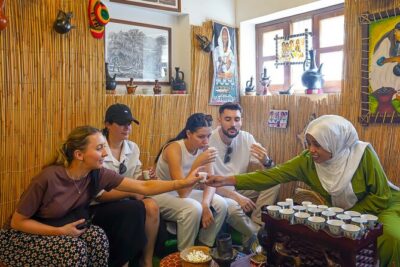
Old Town, Souks, Street Food, Guided Tour & Abra Ride
Read our review →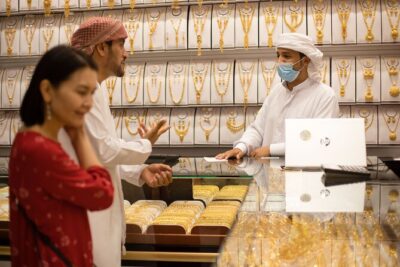
Dubai Aladdin Tour: Souks, Creek, Old Dubai and Tastings
Read our review →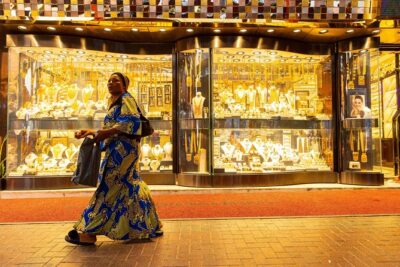
Dubai Half-Day City Tour with Visit to Dubai Gold Souk
Read our review →Old Town, Souks, Street Food, Guided Tour & Abra Ride
Read our review →
Dubai City Tour: Old & New Dubai Abra Ride, Palm Island, Souks
Read our review →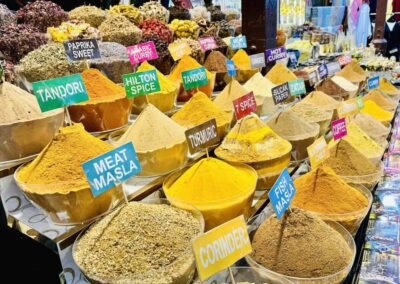
Authentic Old Town, Souks, Tastings & Abra Boat Tour
Read our review →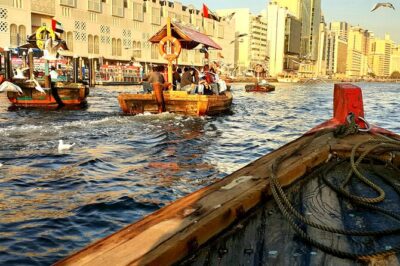
Old Dubai tour: Local Market, Tasting, Dubai creek with Abra ride
Read our review →
Abra Boat Tour in Atlantis, Palm, Ain Dubai & Marina
Read our review →Browse the lists this tour appears in