
Review · MUSEUMS
Dubai: Al Shindagha Museum Entry Ticket
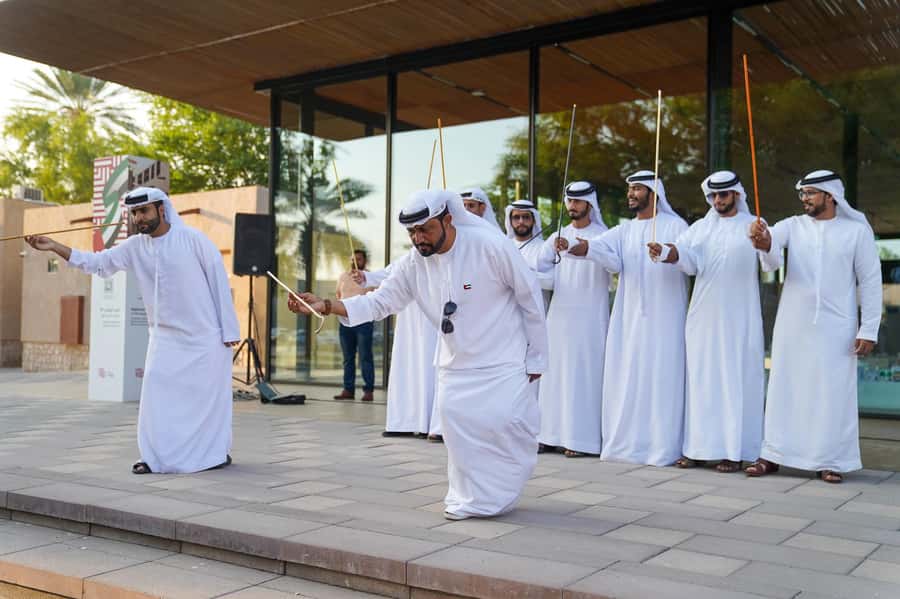
Dubai’s heritage in houses, not skyscrapers. With an Al Shindagha Museum entry ticket, you get access to heritage houses on Dubai Creek plus multi-sensory interactive exhibits that translate Emirati life into something you can actually feel. I like that the museum is built around stories you can move through at your own pace, not just signs on a wall.
I also like the emphasis on how Dubai became Dubai, from the creek to trade and everyday craftsmanship. One possible drawback: it’s a lot of rooms to cover in one day, so if you only want a quick highlights loop, you may feel a bit rushed.
With a live guide (English, Arabic, Chinese, Russian, French) and hands-on tech like virtual reality, the museum helps you connect the Al Maktoum family vision to the UAE you see today.
In This Review
- Key takeaways before you go
- What Al Shindagha Museum does well with one paid ticket
- Dubai Creek setting and why Al Shindagha isn’t random
- Pacing your 1-day visit through 21 house spaces
- Visitors Center: where you get oriented fast
- Al Maktoum Residence: Sheikh Saeed’s home and the family anchor
- House-by-house themes: creek life, crafts, faith, and more
- Dubai Creek: Birth of a City
- Perfume House
- Traditional Jewelry and Traditional Crafts
- Life on Land and Water, Fauna and Flora
- Trade and Journeys and Culture of the Sea
- Navigation
- Community Hall and People and Faith
- Expressions, Poetry, and Children’s Pavilion
- Beauty and Adornment
- Traditional Healthcare
- Traditional Food (and a second Traditional Food stop)
- Emerging City
- Traditional Crafts repeated themes and wrap-through flow
- Virtual reality and multi-sensory installations you can actually use
- Tour guide languages, and why your guide matters
- Worth the $13? Value that feels earned
- Quick practical tips so you enjoy every house
- Should you book the Al Shindagha Museum ticket?
- FAQ
- How long is the Al Shindagha Museum ticket valid?
- What’s included in the Al Shindagha Museum entry?
- Where is Al Shindagha Museum located?
- How many heritage houses are there to visit?
- What languages are available for the live guide?
- Is the museum wheelchair accessible?
- Is there free cancellation?
- Does the museum have interactive experiences?
- Is reserve and pay later available?
Key takeaways before you go
- 21 heritage houses on Dubai Creek means you’ll be walking a real story route, not staying in one gallery.
- Al Maktoum Residence, Sheikh Saeed’s home gives the museum a human anchor and a clear historical starting point.
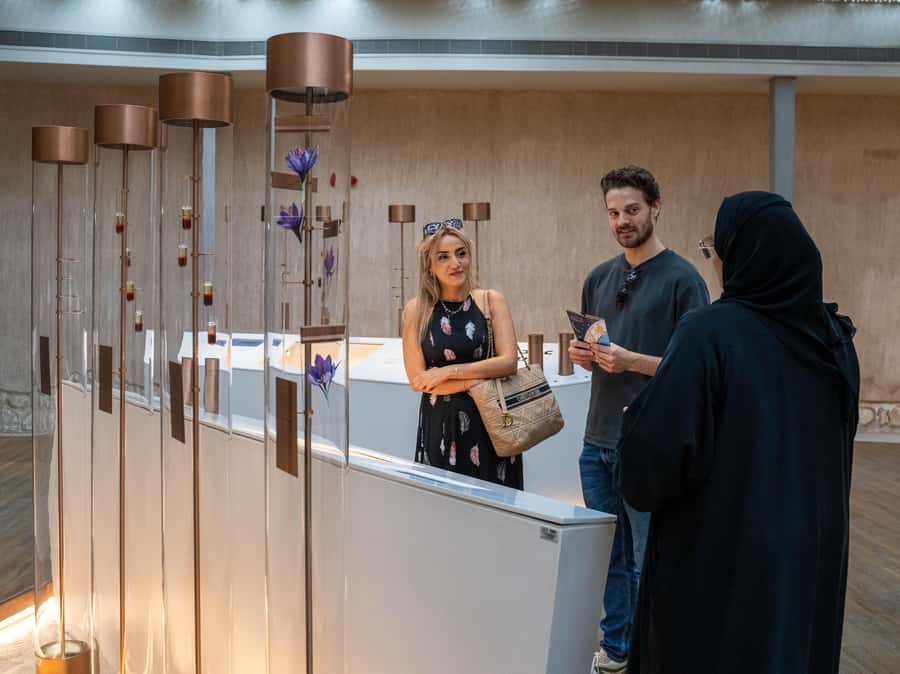
- Virtual reality plus multi-sensory installations help make traditional themes easier to understand fast.
- Themed stops cover daily life and big themes like trade, navigation, faith, healthcare, poetry, and food.
- Live guides in multiple languages make a big difference if you want context, not just visuals.
- Wheelchair accessible so the museum is designed for more visitors to enjoy the experience.
What Al Shindagha Museum does well with one paid ticket
This is one of those places where the price feels sane because you’re buying access to an entire heritage neighborhood in miniature. The museum is described as the largest heritage museum in the UAE, and the layout supports that. Instead of treating culture like a single exhibit, it spreads the story across many house spaces, each with its own angle.
The biggest win for you is the mix of traditional topics with modern presentation. You’ll see themes like traditional crafts, perfume, jewelry, and food, but the way they’re presented includes interactive, multi-sensory installations. Add in virtual reality technology and you get the feeling the museum is trying to bridge generations, not freeze time.
It also helps that the museum is tied to the Al Maktoum family, Dubai, and the UAE. That means the narrative isn’t only about artifacts. It’s about identity, priorities, and how a city built itself through ingenuity, resilience, prosperity, and growth grounded in culture and intangible heritage.
A few more Dubai outings to compare
- Dubai: Museum of the Future Admission Ticket
★ 4.3 · 21,464 reviews - Dubai: Old Town, Creek, Museums, Souks, & Street Food Tour
★ 4.8 · 10,816 reviews - From Dubai: Abu Dhabi Grand Mosque & Louvre Museum Full-Day
★ 4.8 · 6,227 reviews
Dubai Creek setting and why Al Shindagha isn’t random
The museum sits on the banks of Dubai Creek in the historic neighborhood of Al Shindagha. That matters more than you might think. When you’re learning about trade, navigation, water, fauna, and sea culture, it helps to be in the broader environment that made those things possible.
Instead of “Dubai history” being confined to one air-conditioned room, you can keep the theme in your mind while you move through the houses. Even if some portions feel very indoor and design-led, the creek location gives the story a grounded backdrop.
If you like tours that connect geography and culture, this is a good fit. You’re not just learning what people did. You’re learning why the setting shaped their choices.
Pacing your 1-day visit through 21 house spaces
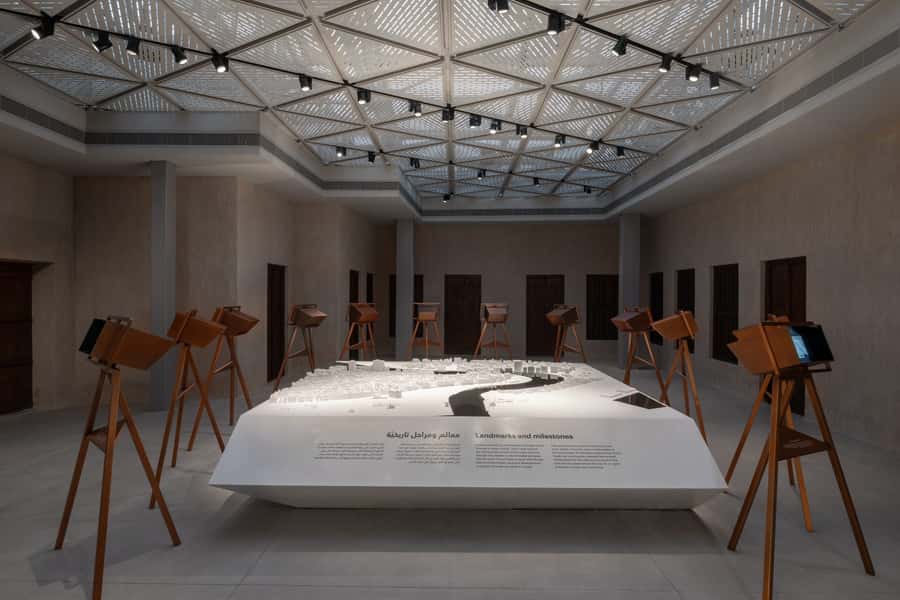
The ticket is valid for 1 day, so you’re essentially planning a full museum session rather than a quick stop. The museum is made up of multiple heritage houses and exhibit spaces, including the Sheikh Saeed Al Maktoum Residence. That means you’ll likely spend your time transitioning from room to room, theme to theme, rather than waiting for one big show.
Here’s how I’d pace it so you don’t lose the thread:
- Start with orientation first, so the rest of the houses make sense.
- Focus on 2 to 3 themes that interest you most, and let the other themes support them.
- When you hit interactive technology, don’t linger forever. Move on, because the next house will add a new layer.
A practical consideration: because it’s many stops, your attention can fade if you try to do everything equally. Pick what you care about, and the museum will reward you. If you try to “see it all” at full intensity, you may feel like you’re sprinting.
Visitors Center: where you get oriented fast
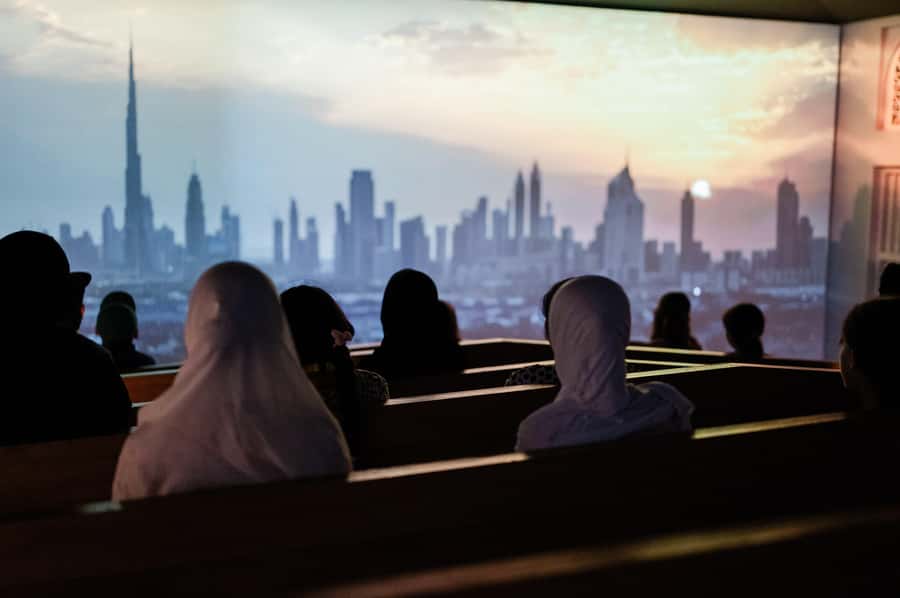
You enter through the Visitor Center, and that’s the point. Use it to set the mental map before the houses pull you in different directions. The museum includes a Visitors Center stop in the house listing, which is a hint that it’s meant as a true starting point.
What I like about starting here is simple: it reduces the risk of walking into themed houses without knowing what you’re looking for. Once you understand the museum’s overall narrative approach, the smaller topics like expressions, poetry, and traditional healthcare become easier to connect to the bigger picture.
If you’re the kind of visitor who likes clarity, ask your guide what order to take. If you’re more of a wanderer, still take a minute to scan the main themes first, then go with your curiosity.
Another kind of day out in the Emirates:
- Dubai: Burj Khalifa Levels 124 & 125 Entry Ticket + Options
★ 4.3 · 90,891 reviews - Dubai: Desert Safari, Quad Bike, Camel Ride & Al Khayma Camp
★ 4.9 · 68,962 reviews - Dubai: Desert Safari, Quad Bike, Camel Ride and Sandboarding
★ 4.9 · 43,505 reviews - Dubai: Safari, Quad Bike, Camel Ride, and Buffet Dinner
★ 4.9 · 33,424 reviews
Al Maktoum Residence: Sheikh Saeed’s home and the family anchor
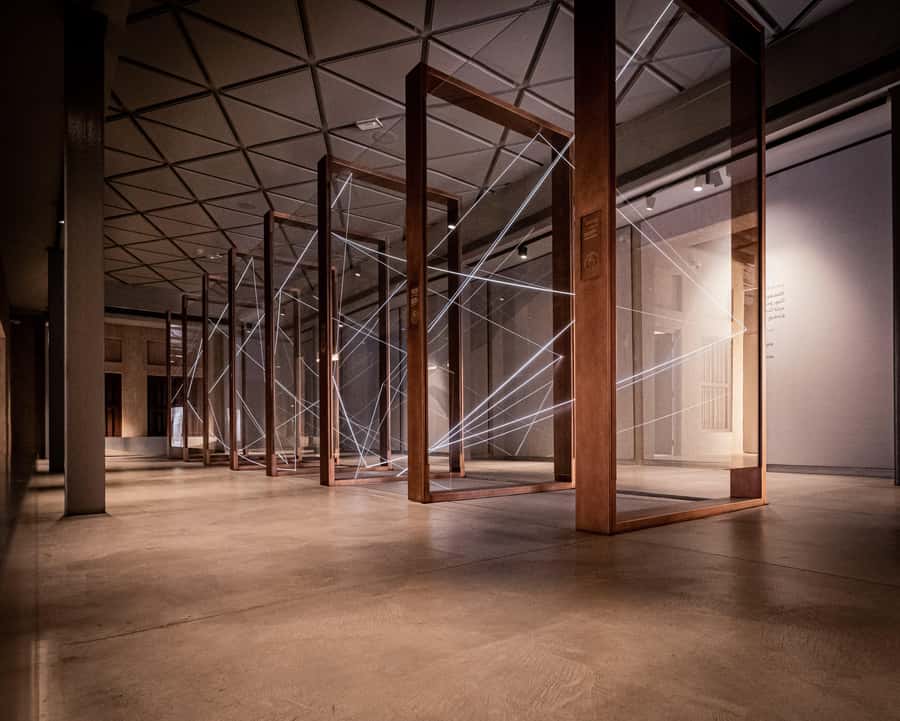
One of the standout parts of this visit is the Sheikh Saeed Al Maktoum Residence. It was originally home of the Al Maktoum family and the Dubai monarch at the time until 1958. The museum also links Sheikh Saeed to the next generation by noting he was the grandfather of Sheikh Mohammed bin Rashid.
Why this matters for you: it gives context to the museum’s point of view. You’re not just touring “old Dubai.” You’re seeing how a ruling family shaped (and wanted to preserve) an identity for the city and the UAE.
I’d treat this space as your narrative anchor. Before you rush to crafts and food, get your bearings here. Then the rest of the houses feel like chapters that build on the residence story.
House-by-house themes: creek life, crafts, faith, and more
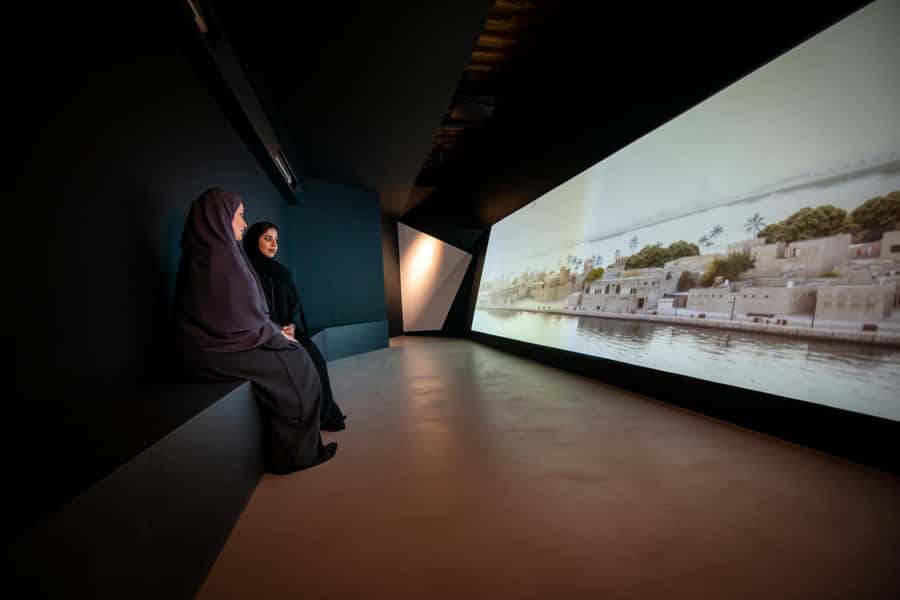
After the Visitors Center and the Residence area, the museum’s exhibit houses move through connected themes. Think of it like walking a guided syllabus for Emirati life, with each stop translating a topic into something you can grasp quickly.
Dubai Creek: Birth of a City
This is the “start here” house for the whole story. It frames Dubai through its relationship to the creek, setting up everything from trade to water and navigation.
Perfume House
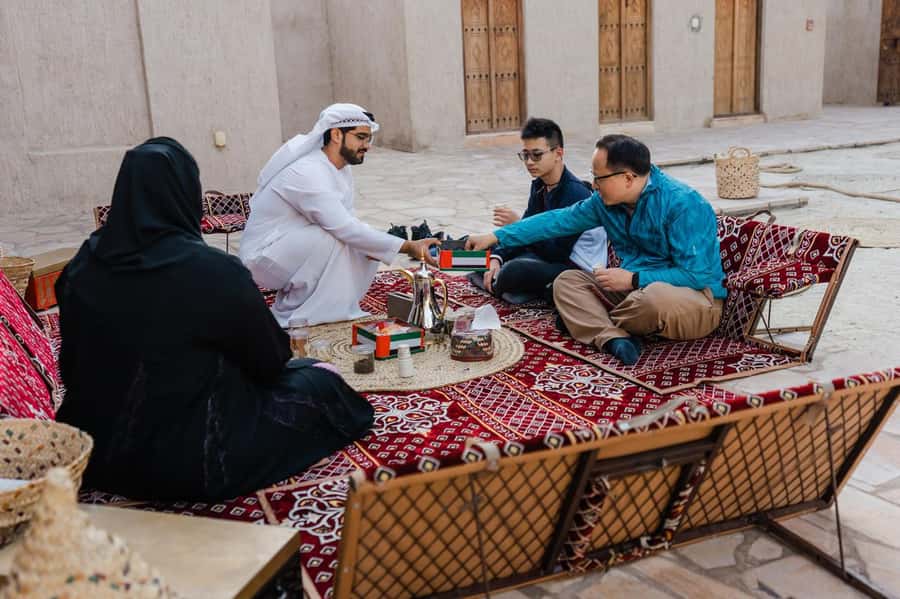
Perfume is one of those topics that can feel niche until you understand it as part of daily identity and hospitality. This stop gives you a sensory bridge into traditional practice, even if you don’t take any hands-on activity.
Traditional Jewelry and Traditional Crafts
These two houses together help you see how technique, materials, and design are cultural language. Jewelry and crafts are also a practical way to understand how people expressed status, artistry, and continuity over time.
Life on Land and Water, Fauna and Flora
These are your environment chapters. Life on land pairs with water, fauna, and flora to show how the natural world influenced food, movement, and livelihoods.
A tip: if you’re the type who likes diagrams and visual explanations, this is where your curiosity tends to grow fast.
Trade and Journeys and Culture of the Sea
Trade and journeys explain the larger connections. Culture of the sea continues that theme and helps you understand that the sea is not only scenery. It’s work, routes, and community life.
Navigation
Navigation pulls the theme of movement into a focused lens. It’s the kind of stop that makes the city’s history feel logical rather than distant.
Community Hall and People and Faith
Community hall turns the spotlight to shared life, while people and faith adds belief as a social structure. Together they help you see culture as a network, not a set of objects.
Expressions, Poetry, and Children’s Pavilion
These stops bring emotion and creativity into the mix. Expressions and poetry help explain how ideas and feelings got communicated. The children’s pavilion signals that the museum isn’t only aiming at adults who like lectures.
If you’re visiting with kids or if you learn best through storytelling, don’t skip these.
Beauty and Adornment
This is one of the more personal-feeling stops. Beauty and adornment connects presentation, identity, and tradition. Even if you’re not focused on fashion, it’s a useful reminder that culture lives in everyday choices.
Traditional Healthcare
Healthcare ties culture to practical life. It’s a reminder that knowledge systems exist alongside modern medicine, and that “heritage” includes how people cared for one another.
Traditional Food (and a second Traditional Food stop)
Traditional food appears more than once across the exhibit listing. Use that to your advantage. If one section feels more about daily meals, the other can reinforce the idea from another angle. Either way, this is where you’ll feel the museum’s strongest tie to lived experience.
Emerging City
This house is where the museum helps you connect past and present. It’s the moment when you stop treating heritage as something only historical and start seeing it as part of the city’s evolution.
Traditional Crafts repeated themes and wrap-through flow
Even when you revisit related motifs, the museum’s layout keeps the story moving forward. If you’re paying attention, you start noticing patterns: environment shapes work, work shapes trade, trade shapes city growth, and faith and community shape daily rhythm.
Virtual reality and multi-sensory installations you can actually use
The museum includes innovative multi-sensory interactive installations. It also uses virtual reality technology as part of the experience, plus there are mentions of bespoke workshops, tours, and training.
How that helps you: interactive tools reduce the “I’m looking at a display” feeling. You’re more likely to understand what a topic means because the museum tries to show the idea in motion, not only in text.
My practical advice: when you reach something tech-based, give yourself a short window and then move on. The museum is designed with momentum. If you stay stuck in one interactive station too long, you’ll feel behind by the time you reach later houses like Navigation, Emerging City, and the Residence anchor.
Tour guide languages, and why your guide matters
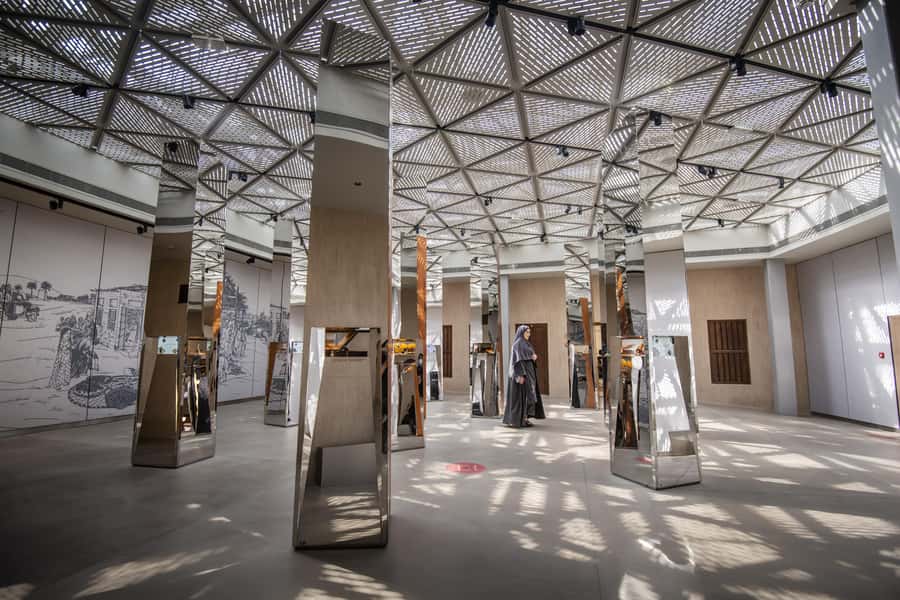
This museum offers a live tour guide in English, Arabic, Chinese, Russian, and French. That’s huge for value because the guide can connect what you’re seeing to the broader Dubai and UAE story.
If your guide is named Peter, you’ll likely notice how much energy a good guide can bring. Even without a named guide, here’s the simple rule: ask one question early in the visit, then listen for the answers as you move.
Best questions to ask:
- What should I focus on if I only have one day?
- Which houses connect most directly to Dubai Creek?
- Which stop explains the shift from tradition to the emerging city?
A good guide can help you avoid getting lost in individual topics and instead see how everything builds toward the same identity.
Worth the $13? Value that feels earned
At about $13 per person, the value comes from coverage. You’re not paying for a single exhibit. You’re paying for entry to a museum system built around 21 heritage houses, including the Sheikh Saeed Al Maktoum Residence, and designed with multi-sensory installations and virtual reality.
Also, the museum positions the experience as something that connects past and future, so you should feel like you’re buying context, not just objects. The 4.5 overall rating based on 36 bookings supports that the format works for a lot of different visitors.
Who tends to get the best value:
- People who want a structured, guided cultural experience without needing a long multi-day plan.
- Visitors who like Dubai history that focuses on culture and daily life, not just skyscrapers.
- Families and curious adults who enjoy interactive technology and thematic rooms.
If you only want a quick photo stop, you might not love the time you spend walking between houses. But if you want meaning, this is a good trade.
Quick practical tips so you enjoy every house
- Wear comfortable shoes. You are moving through many heritage house spaces.
- Don’t try to read every single label. Let the guide steer, then use the installations to fill in the details.
- If you care about tradition and identity, prioritize the Residence and the houses on people and faith, healthcare, food, and crafts.
- If you care about how Dubai formed, focus on Dubai Creek, trade and journeys, culture of the sea, navigation, and the emerging city.
- Keep your expectations flexible. The museum blends heritage themes with modern interpretation styles.
Also, if you’re pairing this with other time in the area, plan to connect it to your own walk afterward. Being near Dubai Creek makes the story linger, even after the ticket ends.
Should you book the Al Shindagha Museum ticket?
Book it if you want an efficient, guided way to understand Emirati culture and Dubai’s story through real themes like crafts, food, community, faith, trade, and navigation. It’s also a strong choice if you like interactive museum design, including multi-sensory installations and virtual reality.
Skip it or reconsider if you only want a tiny quick stop, or if you hate the idea of moving through many rooms in one day. This museum works best when you give it enough attention to let the houses connect into one clear narrative.
FAQ
How long is the Al Shindagha Museum ticket valid?
The ticket is valid for 1 day.
What’s included in the Al Shindagha Museum entry?
The activity includes an entry ticket, and it features a live tour guide.
Where is Al Shindagha Museum located?
It’s located on the banks of Dubai Creek in the Al Shindagha historical neighborhood of Dubai.
How many heritage houses are there to visit?
The museum experience includes the Sheikh Saeed Al Maktoum Residence and many additional heritage house exhibits, with the museum described as consisting of 21 houses.
What languages are available for the live guide?
Live tour guides are available in English, Arabic, Chinese, Russian, and French.
Is the museum wheelchair accessible?
Yes, the experience is wheelchair accessible.
Is there free cancellation?
Free cancellation is available up to 24 hours in advance for a full refund.
Does the museum have interactive experiences?
Yes. The museum includes multi-sensory interactive installations and virtual reality technology, along with mentions of bespoke workshops, tours, and training.
Is reserve and pay later available?
Yes, reserve now and pay later is offered so you can keep plans flexible.
New around Dubai
- Premium Desert safari ( AL TAWARQ )★ 5.0 · 9 reviews
- Desert Motorbike Tour in Dubai★ 5.0 · 34 reviews
- Desert Horse Riding- 1 Hour★ 4.5 · 5 reviews
- Desert Dune Buggy Tour Dubai★ 4.0 · 4 reviews
- Drive Your Own Desert Fox Dune Buggy Safari★ 5.0 · 4 reviews
- Desert Quad Bike Adventure Dubai with Free Pickup from Hotel★ 5.0 · 5 reviews
- Evening Desert Safari in Dubai with Dune Bashing , Camel Ride and BBQ Dinner★ 5.0 · 5 reviews
- Evening Desert Safari Dubai BBQ Dinner Dune Bashing Dune Buggy★ 5.0 · 25 reviews
Museums, compared.

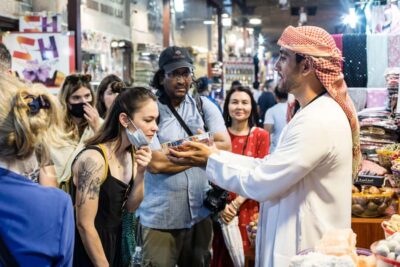
Old Town, Creek, Museums, Souks, & Street Food Tour
Read our review →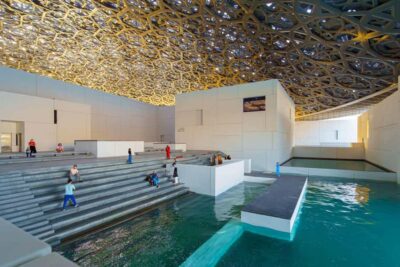
Abu Dhabi Grand Mosque & Louvre Museum Full-Day
Read our review →

Abu Dhabi Day Tour with Grand Mosque & Louvre Museum
Read our review →
Future Museum, Burj Al Arab, and Dubai Frame Tour
Read our review →
Browse the lists this tour appears in